At a glance
- 4 matching treatments
- Usually 3–6 sessions, depending on skin
- For blemished, acne-prone skin
Dry vs dehydrated — what's the difference?
Dry skin is a type: your skin produces little oil. That's genetic and usually lifelong. Dehydrated skin is a condition: your skin lacks water. It can affect any skin type — even oily (Cleveland Clinic — Dry Skin).
Both feel similar: tightness, dull complexion, fine dehydration lines. The right treatment differs though.
Why does skin dry out?
Three main causes:
Compromised skin barrier — from over-aggressive cleansing, harsh peels, or active overuse. Your skin can no longer hold water (American Academy of Dermatology — How to Care for Dry Skin).
Climate and environment — heating, air conditioning, cold winters, dry cabin air on flights. The skin barrier just lacks moisture from outside.
Hormonal shifts — especially during menopause, skin produces less oil and hyaluronic acid. Thyroid issues can also dry skin out (NIH — Skin and Aging).
Treatments at Sahel Beauty
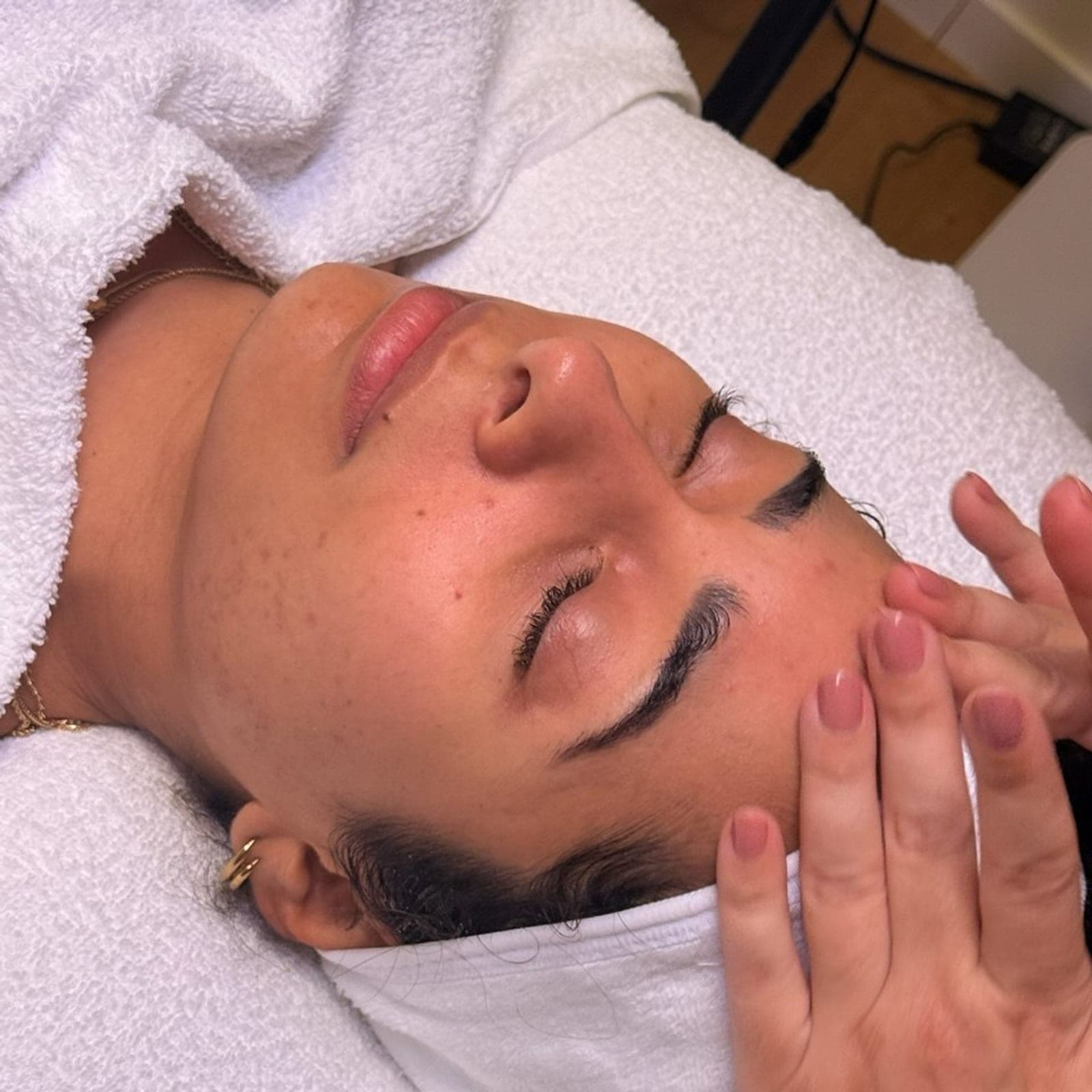
HydroBoost is our aquafacial — a professional deep-hydration infusion. We cleanse gently, exfoliate, and infuse actives directly into the skin. Right after the session your skin looks plumper and visibly restored.
For maximum hydration paired with glow or lifting we offer beauty packages — for example HydroBoost & Pollogen Therapy for an oxygen glow, or HydroBoost & RF Lifting for firming in the same session.
What to expect
After the first session your skin feels noticeably softer and plumper. Tightness disappears immediately. For lasting effect we recommend monthly treatments — especially in winter and after travel.
At-home care
- Cleanse twice a day with mild actives, never with hot water
- Hyaluronic serum on damp skin — best at binding water
- Night cream with ceramides for the skin barrier
- Drink enough water, but topical care works better than internal hydration alone
Medical sources: Cleveland Clinic · American Academy of Dermatology · NIH National Institute on Aging. This content does not replace medical advice.
This information does not replace a medical diagnosis.